How Pizza Place Cheyenne Restaurants Cater to Every Taste
@louismloa757
A good pizza restaurant does more than melt cheese and send out boxes. It reads the room. It knows that one table wants a classic pepperoni pie with a crisp crust, another needs gluten-free options that do not feel like an afterthought, and a third is splitting time between adventurous toppings and a child who only wants plain mozzarella. That balancing act is where the best pizza place Cheyenne restaurants separate themselves from the ordinary.
Cheyenne is not the kind of city where a restaurant can survive on novelty alone. Diners here tend to reward consistency, generous portions, honest ingredients, and service that feels personal rather than scripted. At the same time, tastes have broadened. Families want convenience without sacrificing quality. Young professionals look for local flavor and a comfortable place to meet. Travelers passing through may want something familiar, but they still notice when a restaurant has a point of view. Pizza sits right at the center of all those expectations because it is flexible, social, and surprisingly hard to do well across every customer segment.
That is why the pizza scene in Cheyenne deserves a closer look. The strongest operators are not simply making one kind of pie. They are building menus and dining experiences that adapt to different appetites, budgets, schedules, and dietary needs, all while preserving the one thing that matters most: the pizza still has to taste good.
Variety means more than topping count
A common mistake in restaurant marketing pizza place cheyenne is to equate variety with excess. A menu with thirty toppings and a dozen crust types can sound impressive, but in practice, too many choices often lead to inconsistency. The more thoughtful pizza kitchens in Cheyenne understand that broad appeal comes from balance. They offer enough range to satisfy different palates, but not so much that the food loses identity.
That often starts with the basics. A restaurant that gets its dough right already has a head start on serving many types of customers. One person wants a thin, crisp slice that folds without sagging. Another prefers a thicker crust with chew and structure. Families with younger kids often like softer crust edges because they are easier to eat. A serious pizza place can support all those preferences through careful fermentation, proper oven management, and attention to timing, not just through gimmicks.
Sauce matters in the same way. Some diners want a bright tomato base with a little acidity. Others lean toward something sweeter, richer, or more herb-forward. In a market like Cheyenne, where comfort food still carries real weight, it helps when a restaurant can deliver a familiar flavor profile while still making it taste fresh. That might mean using a classic red sauce on one pie, white sauce on another, and olive oil or garlic as the base for a more specialty-driven option. The point is not complexity for its own sake. It is giving customers a path to something that feels like their version of pizza.
Cheese, too, has become more nuanced than it used to be. Mozzarella remains the standard for good reason, but many guests now notice the difference between low-moisture stretch and fresh mozzarella pockets, or between a straightforward cheese blend and one that adds provolone, parmesan, or ricotta for depth. Restaurants that understand these distinctions can create menus that speak to both traditionalists and customers looking for something slightly more refined.
The family table shapes a lot of pizza decisions
If you spend enough time watching how pizza restaurants operate on busy nights, one pattern becomes obvious. Families drive a large share of the business, especially in a city like Cheyenne where group dining often means practical dining. Pizza is one of the few meals that can satisfy adults, teenagers, and younger children at the same table without turning dinner into a negotiation.
That does not happen automatically. It depends on menu design, portioning, and atmosphere. A family-friendly pizza place does not just offer a kids' meal and call it done. It thinks about shareability. Medium and large pies that slice cleanly, appetizer options that come out quickly, and combinations that let people mix familiar and more adventurous toppings all make a difference.
Consider a typical family outing. One parent wants a supreme-style pie with vegetables and sausage. The other wants something lighter, maybe with chicken, spinach, or roasted garlic. One child wants plain cheese. Another wants pepperoni only. A restaurant that offers half-and-half pizzas, smaller personal sizes, or mix-and-match topping flexibility removes friction from the order. Those details may seem minor on paper, but they shape repeat business.
Atmosphere matters just as much as menu flexibility. Many families are not looking for a silent dining room or a formal service model when they choose pizza. They want enough energy that a little noise is fine, enough space that booths feel comfortable, and a pace of service that keeps children from getting restless. In my experience, the pizza places people remember are rarely the ones with the trendiest décor. They are the ones where the food arrives hot, the server notices when drinks need refilling, and nobody makes the table feel rushed.
Cheyenne diners often want both tradition and personality
One of the more interesting things about regional restaurant markets is that customers often hold two ideas at once. They want familiar comfort, and they want something distinctive enough to justify going out. Pizza shops in Cheyenne cater to that mix by building menus that anchor themselves in classics while adding enough personality to stand out.
The classics still carry the day. Cheese, pepperoni, sausage, combo, meat lovers, and veggie remain essential. If a pizza place cannot execute those with confidence, the rest of the menu will not rescue it. But once the fundamentals are strong, personality can show up in measured ways. A local beef topping, a pie with green chiles, a crust brushed with seasoned butter, or a house-made ranch that people actually ask to take home can become part of a restaurant’s identity without alienating customers who came in expecting traditional pizza.
That balance is especially important in Cheyenne because restaurant traffic often includes a mix of regulars and pass-through diners. A local guest may appreciate subtle changes and seasonal specials over time. A traveler, by contrast, may only visit once and wants clear menu choices that do not require interpretation. The best pizza place Cheyenne operators solve that by keeping their menu readable. Specialty pizzas have appealing ideas behind them, but their ingredients are described plainly. Customers know what they are getting.
There is also a pricing dimension here. Specialty pizzas can support higher menu prices, but only if they deliver value. That value might come from ingredient quality, portion size, or craftsmanship. If a premium pie uses fresh toppings generously and bakes evenly, diners usually accept the cost. If it looks sparse or inconsistent, they notice quickly. Pizza may be casual food, but customers are highly alert to whether they got what they paid for.
Dietary needs are no longer niche requests
Ten years ago, many independent pizza places treated gluten-free or dairy-free requests as interruptions to the normal flow of service. Today, those requests are part of everyday restaurant operations. That shift matters because accommodating dietary needs is one of the clearest ways Cheyenne pizza restaurants can serve a wider audience without changing their core identity.
Gluten-free crusts are now common enough that customers expect more than mere availability. They want texture that holds up under sauce and toppings. They want kitchens to handle preparation carefully enough that the option feels credible for people who are sensitive. Not every operation can guarantee a fully separate prep environment, and restaurants should be honest about that. Still, even straightforward improvements, such as designated pans, fresh cutters, and trained staff, make a meaningful difference.
Vegetarian options have also expanded beyond the tired pattern of bell peppers, onions, and mushrooms tossed onto a cheese base. Diners increasingly look for combinations with intention, such as spinach with ricotta, roasted vegetables with feta, or tomato and basil done with restraint rather than overload. These pizzas appeal not only to vegetarians but also to customers who simply do not want a heavy meal.
Vegan demand remains smaller than mainstream demand, but it is large enough to matter, particularly for groups choosing a restaurant together. A pizza place that can offer a solid vegan cheese option, vegetable-forward toppings, and a dairy-free sauce choice becomes much easier for mixed-diet groups to choose. That is where real business value appears. Restaurants do not need half their menu to be vegan. They need enough thoughtful options that one person’s dietary restriction does not veto the entire dinner plan.
Heat, smoke, crust, and the small technical details people remember
Guests may not always explain why they prefer one pizza place over another, but they often respond to technical execution more than they realize. When crust has both color and structure, people notice. When toppings slide off because the center is wet, they notice that too. The restaurants that cater to every taste are not only broad in menu design, they are disciplined in the kitchen.
Oven style makes a visible difference. A deck oven can create a drier, crispier finish. Conveyor ovens offer consistency and speed, which matter during rush periods. Wood-fired or high-heat ovens can deliver blistering and char that some diners seek out, though they also require careful dough handling and can be less forgiving with heavily topped pies. None of these systems is automatically superior. The question is whether the restaurant builds its recipes around the oven it uses.
That is one reason you see different styles coexisting successfully. Some customers love a thinner pie with a defined crust edge and a shorter bake. Others want a heartier pan-style pizza with caramelized cheese at the rim and a softer center. If a pizza place tries to imitate every national trend at once, quality usually slips. If it chooses a lane, then adds enough supporting options to welcome different preferences, it tends to perform better over time.
Even side items play a role here. Wings, salads, breadsticks, and desserts may not be the headline, but they often determine whether a group sees a restaurant as complete. A well-made salad gives balance to a heavier meal. Good wings can bring in the diner who is not in a pizza mood. Breadsticks sound simple, yet a kitchen that makes them fresh and seasons them properly often earns customer loyalty in ways outsiders underestimate.
Service style changes what “for everyone” really means
Food is only half the equation. The phrase “cater to every taste” also includes how a restaurant serves different kinds of customers. In Cheyenne, pizza places often need to move fluidly between dine-in business, takeout volume, delivery pressure, and occasional large orders for teams, offices, or community events. Those are very different operational demands.
A dine-in guest values timing, table comfort, and visible attentiveness. A takeout customer cares about accuracy, heat retention, and a pickup process that does not involve standing in confusion near the host stand. Delivery customers judge packaging, travel durability, and whether the pizza still feels intentional after fifteen or twenty minutes in transit. Catering or party orders introduce another set of concerns, including slicing consistency, labeling, and punctuality.
Restaurants that serve all these channels well usually have strong systems behind the scenes. Orders are staged clearly. Staff communicate without panic. Boxes are vented enough to reduce steam buildup. Sauces and dressings are packed with common sense. These are operational details, but they influence taste more than many customers realize. A beautifully baked pizza can arrive limp if it is boxed carelessly. A strong kitchen can still lose goodwill through poor handoff at pickup.
This is also where hospitality becomes visible. Good pizza service is not theatrical. It is practical. It sounds like someone asking whether a guest wants ranch before the wings hit the box. It looks like a server pacing the meal so appetizers do not land at the same moment as the pizza. It feels like the staff remembering that a regular likes extra-crisp crust. Those touches are not expensive, but they are difficult to fake.
Price points matter because pizza serves different occasions
Pizza occupies an unusual place in the restaurant economy because it works across a wide range of spending levels. It can be a quick weeknight meal, a budget-conscious family dinner, a game-day splurge, or a relaxed weekend outing. That flexibility is one reason the category remains strong. For pizza place Cheyenne businesses, it also means the smartest menus create value at more than one price point.
An affordable cheese or one-topping pizza keeps the restaurant accessible. Combo deals, lunch specials, and family bundles help households manage cost without feeling shortchanged. At the same time, there is room for premium pies made with better meats, specialty cheeses, or more labor-intensive toppings. As long as the quality difference is clear, customers usually accept that not every pizza should cost the same.
The trick is avoiding the middle ground where prices climb but the experience does not. If a restaurant charges premium rates, it needs premium signals: ingredient quality, portion integrity, consistency, and thoughtful presentation. If it competes on value, it still needs reliability. People forgive simple food far more readily than sloppy food.
Cheyenne’s dining patterns make this especially relevant. Weather, local events, school schedules, and work routines all affect restaurant traffic. A place that can serve a fast lunch crowd, a family dinner crowd, and occasional larger community orders stands a better chance of staying busy year-round. Versatility is not just a culinary strength, it is a business necessity.
Local identity still matters in a category full of national competition
Every city has pizza options tied to national chains, and those brands compete hard on convenience, advertising, and promotional pricing. Independent and regional restaurants cannot win pizza place cheyenne ruffranoshellskitchenpizza.com that contest by mimicking chain behavior. They succeed by offering something chains usually struggle to replicate: a stronger sense of place.
In Cheyenne, that might mean sourcing some ingredients locally when practical, creating a menu that reflects regional tastes, or simply building relationships that make the restaurant feel woven into everyday life. Sponsoring school teams, handling fundraiser nights smoothly, and becoming the default answer for post-game dinners are all forms of local relevance. They do not just drive sales. They create trust.
Customers often give independent pizza places more latitude because they expect individuality. But that same goodwill raises the bar in other ways. If a local restaurant positions itself as part of the community, it must also show up consistently. The food needs to be right on ordinary Tuesdays, not just on showcase nights. Staff turnover needs to be managed carefully because regulars notice when the room feels unsettled. Community reputation is powerful, but it is maintained through repetition.
What customers actually mean when they say a place has “something for everyone”
That phrase gets overused in restaurant marketing, yet in pizza it can be true when handled honestly. Most customers do not expect a single restaurant to master every regional style, support every diet perfectly, and hit every budget target equally. What they want is simpler. They want a place where a group with mixed preferences can all leave satisfied.
That usually comes down to a few practical benchmarks. The restaurant needs a dependable plain cheese pie, strong core toppings, at least a handful of distinctive options, and enough flexibility to handle dietary requests without drama. It needs side dishes that broaden appeal. It needs service that respects both dine-in and off-premise guests. It needs prices that make sense for what arrives at the table.
When those pieces are in place, a pizza place becomes more than a spot for one kind of diner. It becomes useful in the best sense of the word. Parents choose it because dinner is easy. Friends choose it because everyone can agree on it. Travelers choose it because it feels safe but not generic. Regulars choose it because familiarity and quality meet in the same box.
That is the real strength of the pizza place Cheyenne landscape. The best restaurants here are not chasing every trend or trying to impress with sheer menu size. They are paying attention to how people actually eat. They know that one night calls for a quick pickup on the way home, another for a full table with salads and pitchers, and another for a single specialty pie that feels like a reward at the end of the week.
When a restaurant can handle all of that with confidence, it is doing more than serving pizza. It is serving the city the way the city wants to eat.
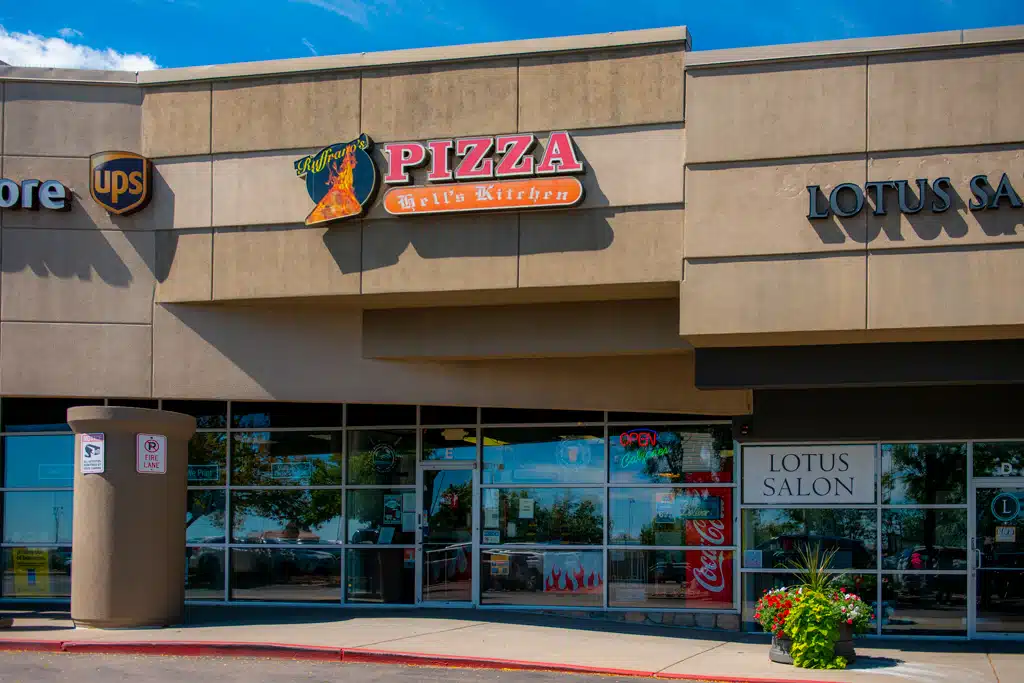
Ruffrano's Hell's Kitchen Pizza Cheyenne
Address: 1670 E Cheyenne Mountain Blvd, Colorado Springs, CO 80906
Phone number: +17195764355
FAQ About Pizza Place Cheyenne
What's the most popular pizza place?
The "most popular" pizza place depends on whether you measure by location count, total sales, or customer favorite status.
What is the 2 pizza rule?
The two-pizza rule is a management principle made popular by Amazon founder Jeff Bezos. It states that a team or meeting should never be larger than what can be fed with two large pizzas—typically translating to a group of 5 to 10 people (or roughly 6 to 12 people depending on appetites).
Is 2 pizzas enough for 10 people?
No, 2 pizzas are usually not enough for 10 people.