Pizza Place Cheyenne Choices for Classic and Creative Pies
@louismloa757
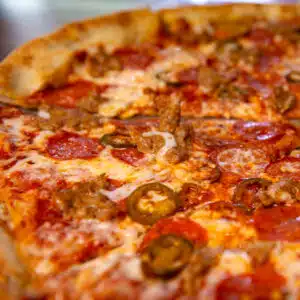
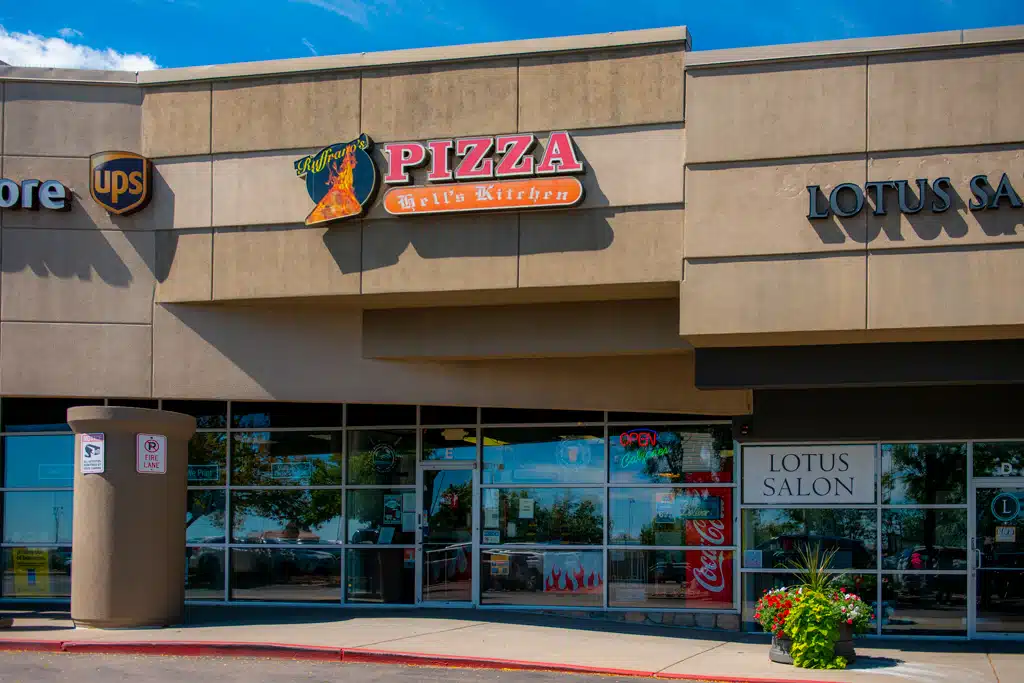
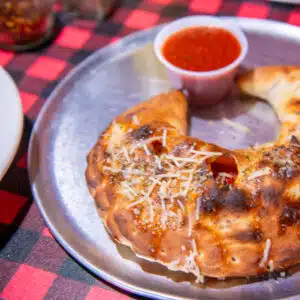
Cheyenne does not approach pizza like a city trying to impress outsiders. That is part of its charm. People here tend to know what they like, and they come back for it. A good pie has to hold up on a weeknight when a family is hungry, on a lunch break when time is tight, and on a Friday evening when a table wants something a little more memorable than the usual pepperoni. That practical standard shapes the local market in useful ways. When you look for a pizza place Cheyenne diners genuinely return to, you are usually weighing consistency, crust quality, topping balance, and whether the kitchen can handle both classics and more adventurous combinations without losing the plot.
That last part matters more than many restaurants realize. Plenty of places can make a decent cheese pizza. Fewer can produce a clean, well-baked margherita, a sturdy meat lover’s pie, and a creative specialty pizza that still tastes like pizza rather than a refrigerator-cleanout experiment. The difference comes down to restraint, technique, and a clear understanding of what the dough is supposed to do beneath the toppings.
If you are choosing where to eat or where to order from in Cheyenne, it helps to think beyond broad labels like “traditional” or “artisan.” The better question is simpler: what kind of pizza experience do you actually want tonight? There is a meaningful difference between a reliable hand-tossed pie built for sharing with kids and a carefully blistered crust topped with hot honey, roasted vegetables, or regional sausage. Both have a place. The best shops know when to lean into comfort and when to stretch.
What makes a pizza place stand out in Cheyenne
A strong local pizza shop often succeeds because it gets the fundamentals right under real service conditions. It is easy to judge pizza on a single great night. It is harder, and more honest, to judge a place by whether it can turn out ten, twenty, or fifty pies during a dinner rush without sending underbaked centers or tired slices into the dining room. In towns and cities like Cheyenne, repeat business is built on that kind of consistency.
Crust is usually the first giveaway. If the base is pale, limp, or overloaded, nothing on top can save it. A classic pie should have structure, some chew, and enough browning to bring out the grain and fermentation in the dough. That does not mean every pizza needs the same texture. A New York style slice should fold without collapsing. A pan pizza should have a crisp edge and a softer interior. A thinner artisan pie can carry less weight but must still avoid sogginess. Good pizza places understand those differences and build their menus around them rather than trying to force one dough into every role.
Sauce is the next test. The best sauce does not shout. It adds brightness, a little sweetness from ripe tomatoes, and enough seasoning to support the cheese. The places worth revisiting tend to avoid two common mistakes. First, they do not over-sauce the pie to hide weak dough. Second, they do not bury the tomatoes under sugar or dried herbs until the pizza tastes more like pasta topping than pizza sauce. You want balance, not noise.
Cheese selection says a lot too. Low-moisture mozzarella remains a workhorse for a reason. It melts evenly, browns well, and gives that familiar stretch most people expect. But quality shops know when to blend cheeses for character, perhaps adding provolone for depth, fresh mozzarella for a softer finish, parmesan for salinity, or ricotta in measured amounts for creaminess. Measured amounts is the key phrase. A creative pie still needs discipline.
Why classic pies still matter
There is a temptation in food writing to chase novelty, but pizza earns loyalty through the classics. Cheese, pepperoni, sausage, mushroom, supreme, and meat combinations remain the baseline because they reveal nearly everything about a kitchen. A classic pepperoni pie should tell you whether the dough fermented properly, whether the sauce has acid and body, and whether the oven runs hot enough to crisp the pepperoni cups without drying out the cheese. If a shop cannot nail that, there is little reason to trust its smoked brisket jalapeño special.
Classic pies are also where value becomes visible. When a family orders two large pizzas, breadsticks, and drinks, they are not grading the meal on culinary ambition. They are asking whether everyone leaves satisfied and whether leftovers still taste good the next day. That may sound ordinary, but ordinary done well is one of the harder achievements in restaurant work. A cheese pizza for children and a combination pie for adults both have to arrive hot, cut properly, and portioned in a way that makes sense for the group.
One of the most reliable signs of a good pizza place Cheyenne residents will keep in rotation is that its classic menu has depth without clutter. You do not need thirty nearly identical topping combinations. You need a few standards that feel intentional. Sausage should taste seasoned and distinct, not generic. Mushrooms should be roasted enough to concentrate flavor rather than shedding water all over the pie. Onions should soften and sweeten. Olives, peppers, and ham need to be used with a sense of proportion. Small details separate a satisfying classic from a forgettable one.
Where creative pies earn their place
Creative pizza works when it is grounded in an understanding of texture and contrast. Too many specialty pies chase novelty through sheer quantity. They pile on sauces, proteins, drizzles, and finishing garnishes until the crust becomes an afterthought. A better approach starts with one central idea. Maybe it is heat balanced by sweetness. Maybe it is salty cured meat softened by creamy cheese. Maybe it is a vegetable pie that relies on char, herbs, and sharp cheese rather than sheer volume.
Some of the most appealing creative combinations are not especially complicated. A white pie with garlic, ricotta, mozzarella, and spinach can be excellent if the garlic is handled carefully and the spinach is dry enough not to steam the crust. A barbecue chicken pizza can work if the sauce is used with restraint and the onions bring freshness rather than raw bite. A hot honey pie can be memorable if the sweetness arrives late and does not smother the savory base. These are simple ideas, but they only succeed when the kitchen understands moisture, salt, and oven behavior.
That is especially important in a place with broad customer expectations. A local pizza shop in Cheyenne may need to please traditionalists, families with young children, travelers staying near major routes, and regulars who want something different after years of the same order. Creative pies help serve that wider audience, but they should feel like extensions of solid pizza practice, not departures from it. When a menu gets this right, you can move from a classic sausage pizza to a specialty pie with roasted garlic or spicy finishing oil and still recognize the same thoughtful hand behind both.
The local dining context shapes the menu
Cheyenne’s dining habits create a particular kind of opportunity for pizzerias. Pizza is one of the few foods that can handle nearly every occasion without feeling out of place. It can serve a youth sports team after a game, coworkers grabbing lunch, a couple wanting a low-pressure dinner, or a larger family that needs options without overspending. That flexibility encourages menus that mix comfort with a little personality.
It also explains why local pizzerias often need to think carefully about service style. Dine-in matters because atmosphere changes the way people judge the meal. A crisp pie on a tray, eaten minutes after it leaves the oven, gives the crust its best chance. Delivery and carryout matter just as much because many orders happen at home. A shop that boxes pizza well, vents steam properly, and times pickup honestly will often beat a place with fancier branding but sloppier execution.
This is where practical restaurant judgment shows. A pizza that is extraordinary for dine-in may not travel well. Thin pies with delicate toppings can lose their edge in ten or fifteen minutes. Heavier pan styles often survive transport better. A good restaurant knows this and helps customers order accordingly. The strongest operators do not just sell what sounds exciting, they steer people toward what will eat best in the situation they are actually in.
What to look for when comparing local options
When people ask me how to evaluate a pizza restaurant without overthinking it, I usually point them to a handful of visible signals. These are not flashy, but they are dependable.
- Start with a plain cheese or pepperoni pie. It exposes the crust, sauce, and bake with nowhere to hide.
- Notice whether the center slice lifts cleanly. A little bend is fine, but a soaked middle usually points to imbalance.
- Pay attention to the edge crust. It should taste like bread with character, not just a handle to discard.
- Check topping distribution. A good kitchen spreads ingredients evenly and avoids piling everything in the center.
- Consider how the pizza eats after ten minutes. Great pizza cools gracefully, mediocre pizza falls apart fast.
Those small observations are often more useful than menu descriptions. Marketing language can make any pizza sound irresistible. Structure, browning, and balance tell the truth.
The difference between family pizza and destination pizza
Not every great pizza place has to be a “destination” restaurant, and that distinction is worth making. Some shops excel because they become part of the weekly routine. They offer dependable pies, fair portions, familiar flavors, and enough variety to satisfy a group with mixed tastes. There is real skill in that model. It demands speed, consistency, and prices people can live with. A family-oriented pizzeria that turns out sturdy classics and one or two strong specialties may do more for a local community than a highly stylized concept that wins attention once and fades.
Destination pizza plays a different game. It asks diners to come for a specific crust style, a particular oven, a fermented dough program, or a menu with more distinctive combinations. When pizza place cheyenne it works, it can be excellent. You remember the texture of the crust, the fragrance of fresh basil, the slight bitterness of char against creamy cheese. But destination pizza also carries risk. It can drift toward preciousness. Portions may shrink while prices rise. Creative toppings can overpower the pie. A diner looking for value and pizza place cheyenne ease may leave unconvinced.
The sweet spot for many customers in Cheyenne is somewhere between those extremes. They want a restaurant with enough craft to make the food feel worthwhile and enough common sense to remember that pizza is, at heart, generous food. It should feed people well. It should not require a lecture.
Crust style changes the whole experience
People often talk about toppings first, but crust style has more influence over satisfaction than any other decision on the menu. A thinner hand-tossed crust gives you a wider ratio of topping to dough and tends to emphasize sauce and cheese. It suits classic builds, lighter vegetable combinations, and diners who want several slices without feeling weighed down. A thicker pan crust delivers richness, chew, and crisp edges. It works well for hearty toppings and for orders that need to hold heat during travel.
Then there is the artisan side, where longer fermentation and hotter ovens create more open crumb, charred blisters, and nuanced flavor in the crust itself. This style can be wonderful, but it asks for restraint above. A dough with real personality does not need a mountain of toppings. In fact, too much topping can erase the very quality that makes the pie worth ordering. The best restaurants understand the trade-off and build the menu around it.
Stuffed crust, extra-thin crackery styles, and gluten-free alternatives each have their own audience, and they deserve thoughtful execution rather than token inclusion. Gluten-free pizza in particular is an area where a lot of restaurants struggle. If the crust tastes dry, brittle, or oddly sweet, diners notice immediately. A place that takes dietary needs seriously and still serves a pizza with texture and flavor earns trust quickly.
Ordering for the table takes a little strategy
Groups often run into the same problem. Everyone wants their own ideal pizza, and the order becomes a puzzle. A little planning solves most of it without draining the fun from the meal.
- Pick one guaranteed crowd-pleaser first, usually cheese or pepperoni.
- Add one balanced classic such as sausage and mushroom, or a supreme with vegetables.
- Choose only one adventurous pie unless the whole group likes to experiment.
- Match crust style to travel time, with sturdier pies for delivery or long carryout trips.
- If you want leftovers, avoid overloaded toppings that turn soft overnight.
This may sound obvious, but it saves a surprising number of disappointing meals. The issue is rarely that a creative pie exists. The issue is assuming every person at the table wants the same level of risk.
Value is more than price
People naturally compare menu prices, but value in pizza includes portioning, ingredient quality, and how filling the pie actually is. A slightly more expensive pizza can still be the better deal if the dough is substantial, the toppings are generous without being sloppy, and the flavors stay appealing the next day. On the other hand, a bargain pizza that arrives underbaked, skimpy, or forgettable tends to feel expensive by the second slice.
This is especially true for specialty pies. Restaurants sometimes use premium ingredients to justify a much higher price, but the ingredient list alone does not guarantee quality. Prosciutto, goat cheese, or roasted vegetables can sound upscale, yet still land on a pizza that lacks seasoning or structural balance. Good value comes from coherence. Every component should earn its spot.
Lunch specials, slice programs, and combo deals also shape how customers experience a local pizza place. For solo diners, a full pie may be excessive, so a quality slice and salad option can make a restaurant much more accessible. For families, bundle pricing can matter more than a chef-driven seasonal special. Strong operators usually know exactly who they are serving at each part of the day and price accordingly.
Service still matters, even for casual food
Pizza is relaxed food, but service has an outsized effect on how people remember the experience. If staff can explain crust styles clearly, estimate pickup times honestly, and handle modifications without confusion, customers relax. That matters in a category where so many orders are group decisions and where a single mistake can affect several people at once.
I have seen diners forgive a slightly uneven bake when the restaurant communicates well and makes things right quickly. I have also seen solid pizza overshadowed by vague wait times and careless packaging. In casual dining, hospitality often shows up in practical forms. Extra plates for families, accurate allergy information, a box that actually keeps the crust from steaming itself into softness, these details do not make headlines, but they shape loyalty.
A restaurant that wants to become the pizza place Cheyenne locals recommend again and again usually wins not through a single signature pie, but through accumulated competence. The phone order is easy. The pickup is organized. The pie looks like the menu promised. The flavors are clean. The leftovers still taste good at noon the next day. Those are humble victories, but they are the ones that sustain a business.
Classic and creative can live on the same menu
The smartest pizzerias do not force a choice between tradition and invention. They use the classics to establish trust and the creative pies to keep the menu lively. That balance is harder than it sounds. If the menu leans too far toward basics, the restaurant can feel interchangeable. If it leans too far toward novelty, it risks alienating the people who order pizza for comfort and familiarity.
A well-judged menu gives diners room to move. Maybe someone starts with a plain cheese pizza on the first visit, then tries a house specialty next time. Maybe a family orders one classic pie for the children and one bolder combination for the adults. Maybe regulars rotate between a trusted staple and a seasonal special. Those small habits are how a pizza restaurant becomes part of local life.
Cheyenne is a good market for that kind of balance because diners tend to appreciate straightforward food done with care. They do not need gimmicks. They do respond to quality they can taste. A crisp crust, a sauce with brightness, toppings applied with a steady hand, and enough imagination to offer something beyond the predictable, that is a recipe for staying power.
When you are weighing your next order, it helps to think of the best local pizza not as either classic or creative, but as a place where both approaches are handled with confidence. A strong cheese pizza proves the kitchen can cook. A smart specialty pie proves the kitchen can think. When a restaurant does both, that is usually the one worth remembering.
Ruffrano's Hell's Kitchen Pizza Cheyenne
Address: 1670 E Cheyenne Mountain Blvd, Colorado Springs, CO 80906
Phone number: +17195764355
FAQ About Pizza Place Cheyenne
What's the most popular pizza place?
The "most popular" pizza place depends on whether you measure by location count, total sales, or customer favorite status.
What is the 2 pizza rule?
The two-pizza rule is a management principle made popular by Amazon founder Jeff Bezos. It states that a team or meeting should never be larger than what can be fed with two large pizzas—typically translating to a group of 5 to 10 people (or roughly 6 to 12 people depending on appetites).
Is 2 pizzas enough for 10 people?
No, 2 pizzas are usually not enough for 10 people.